





Online Support
Get Online Support
Laptop Finder
Find Your Laptop Easily
Service Center
Repair Your Device
Raise a Complain
Share your experience
Featured Categories
Discover top products from our carefully curated categories.
Feature Product
Feature Product our Website
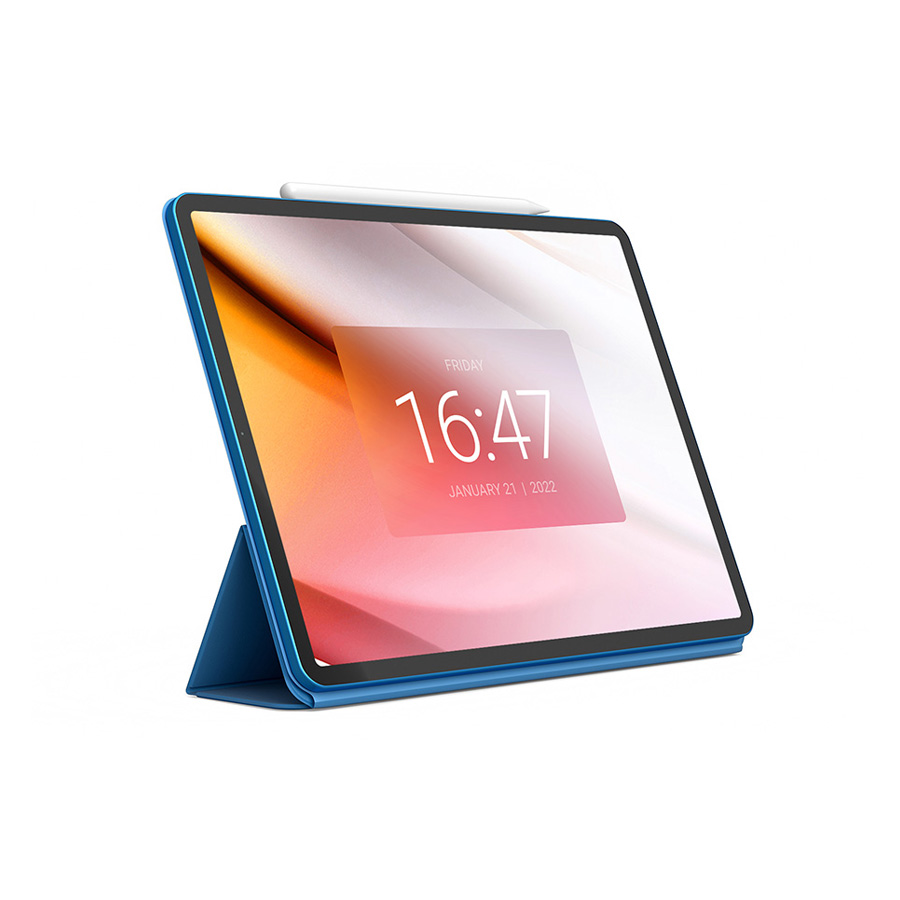

E-77 Camera
MF841HN/A 13"
weekend sale
20%

HP Ultimate
with Bluetooth 5.1
discount -30%
$349
Featured Products
Check & Get Your Desired Product!
Brand New
Laptops & More
asus CX70 2QF-621XPL 13"
starting at
$1.230


Brand New
Earbuds & More
asus CX70 2QF-621XPL 13"
starting at
$1.830
Trending Products

Join Our Loyalty
Club and Save Up To
weekend sale
20% OFF



Mobiles &
Tablets

Sports
Watches

Gaming
Consoles
Understanding Computer Hardware Components
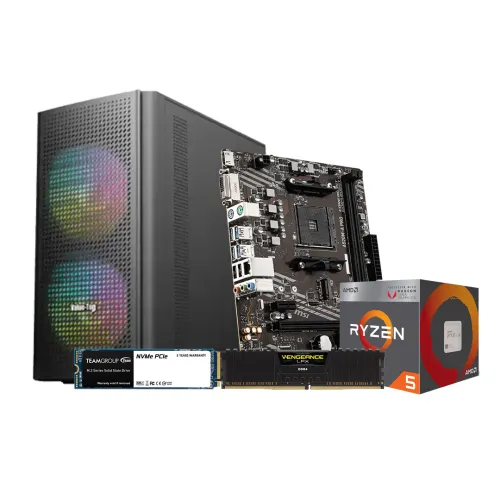
Computer hardware refers to the physical components of a computer system that work together to perform various tasks. Unlike software, which consists of programs and data, hardware includes tangible elements such as the processor, memory, storage devices, and input/output peripherals.
Central Processing Unit (CPU)
The CPU, often referred to as the brain of the computer, executes instructions and processes data. It consists of cores and threads that determine its multitasking capabilities. Modern CPUs come with advanced architectures, boosting efficiency and speed.
Random Access Memory (RAM)
RAM is a temporary storage component that holds data and programs actively in use. It allows the CPU to access information quickly, improving system performance. More RAM ensures smoother multitasking and better application handling.
Storage Devices
Storage devices, such as Hard Disk Drives (HDDs) and Solid-State Drives (SSDs), store operating systems, applications, and user data. SSDs offer faster read/write speeds and durability, while HDDs provide larger storage at a lower cost.
Graphics Processing Unit (GPU)
A GPU handles rendering graphics and visual output. It is essential for gaming, video editing, and 3D modeling. Dedicated GPUs have their own memory, significantly enhancing performance compared to integrated solutions.
Power Supply Unit (PSU)
The PSU converts electrical power from an outlet into usable power for computer components. It ensures stable voltage delivery and protects the system from electrical fluctuations.
Motherboard
The motherboard acts as the backbone of the computer, connecting all components. It facilitates communication between the CPU, RAM, storage, and peripherals, ensuring seamless operation.